

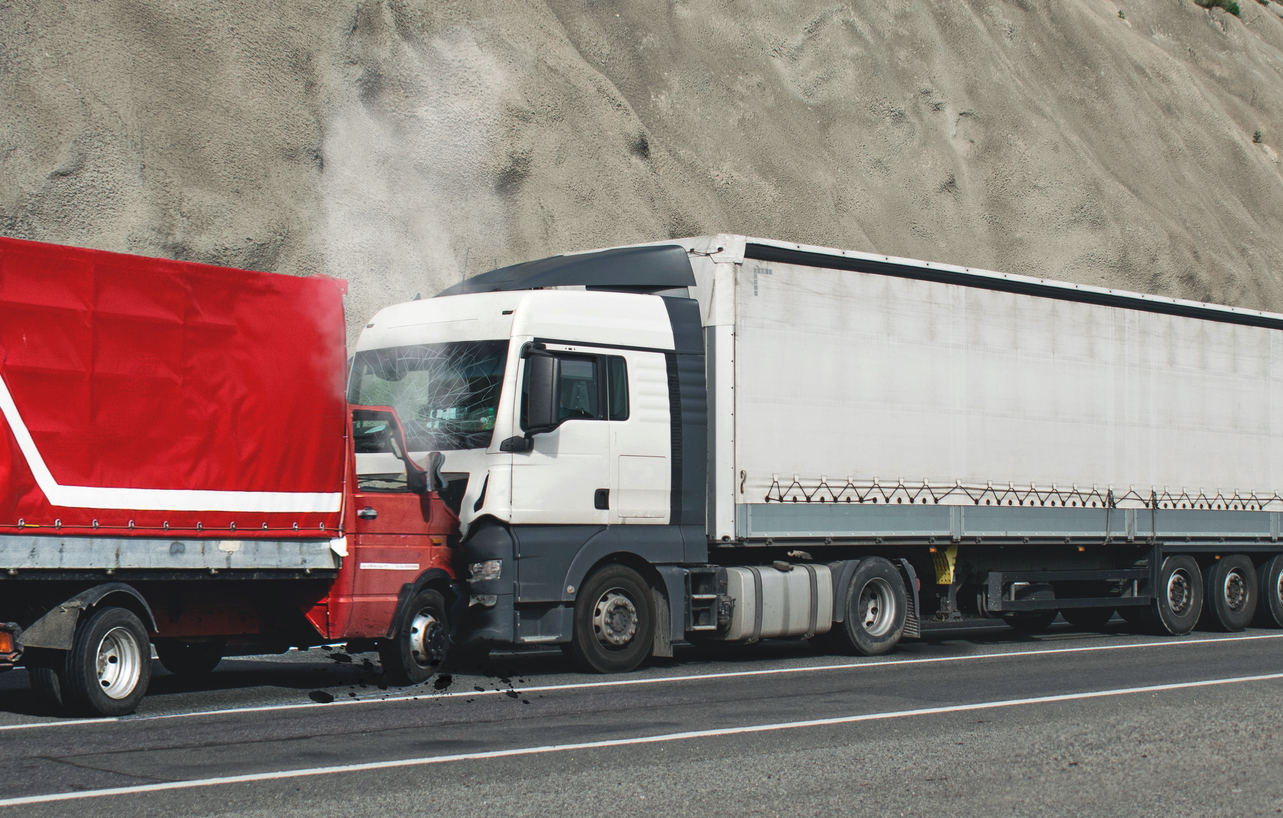
Large trucks are heavy, and controlling their speed on hills and in traffic is vital for safety. One tool truck drivers use is the compression release engine brake, commonly known by the brand name “Jake brake.”
Used correctly, it helps slow a vehicle without overheating the service brakes. Misusing it, however, can cause accidents or violate local ordinances. This article explains when Missouri truckers should use their Jake brake and when they should avoid it.
Understanding How Jake Brakes Work
A Jake brake is an engine‑braking system that turns the truck’s engine into an air compressor. When activated, the device releases the compressed air in the engine cylinders, absorbing the vehicle’s kinetic energy. This slows the truck without using the wheel brakes. Because the engine does the work, the service brakes stay cooler and wear more slowly.
Properly used, a Jake brake provides an extra level of control, especially on long downhill grades.
Appropriate Times to Use a Jake Brake
Using a Jake brake at the right moment can improve safety.
Missouri truckers should consider using their engine brakes in the following situations:
- Descending steep hills: On long descents, gravity can cause a heavy truck to pick up dangerous speed. Engaging the Jake brake helps maintain a safe pace without continuously riding the service brakes.
- Heavy or stop-and-go traffic: In congested areas, repeated braking can cause the service brakes to overheat. Engine braking enables drivers to slow down gradually, reducing wear and tear.
- Approaching a stop: Engaging the Jake brake before applying the foot brake can smooth the slowdown and reduce strain on the brake system.
- Preventing brake fade: When brakes overheat, they become less effective. Alternating between engine braking and service braking reduces the risk of fade, especially on long hauls.
These appropriate uses help truckers maintain control and prolong the life of their brake systems. Always engage engine braking early on a downgrade—waiting too long can force you to rely on overheated brakes.
When Not to Use a Jake Brake
There are situations where engaging a Jake brake can be risky or even illegal.
Truckers should avoid using engine brakes under the following conditions:
- Slippery or wet roads: On icy, snowy, or rain‑slick surfaces, a sudden change in engine braking can cause the wheels to skid or the trailer to swing out of line. Reducing speed with service brakes may be safer.
- Lightly loaded trailers: When the truck is only partially loaded, engine braking can cause the drive wheels to slow faster than the trailer, increasing the risk of jackknifing.
- Residential or noise‑restricted areas: Engine brakes are loud. Many towns, including some in Missouri, might ban engine braking within city limits or near neighborhoods because the noise exceeds local ordinances. Watch for signs that say “No engine braking” or “No Jake brakes.”
- Poorly maintained engines: An improperly serviced Jake brake may not work as intended. Regular maintenance is essential to ensure smooth operation.
Avoiding engine braking in these situations reduces the risk of losing control or violating local laws. When in doubt, use your service brakes or downshift instead.
Contact Our St. Louis Truck Accident Lawyers at Eason Car Accident and Personal Injury Lawyers for a Free Consultation
Jake brakes are valuable tools when used correctly. They help control speed, reduce wear on service brakes, and increase safety on steep grades. However, misuse on slippery roads or in noise-restricted areas can lead to accidents and legal trouble.
By understanding when to use engine braking and when to avoid it, truckers can drive more safely and protect themselves from liability. Should an accident occur, an experienced truck accident lawyer can help victims understand their rights and pursue the compensation they deserve. Call Eason Car Accident and Personal Injury Lawyers for a free consultation.
For more information, please contact Eason Car Accident and Personal Injury Lawyers to schedule a free consultation with a truck accident lawyer in St. Louis, MO, today. We have two convenient locations in Missouri, including St. Louis and Richmond Heights.
We proudly serve St. Louis County and its surrounding areas.
Eason Car Accident and Personal Injury Lawyers – St. Louis Office
10 S Broadway #560
St. Louis, MO 63102
(314) 932-1066
Eason Car Accident and Personal Injury Lawyers – Richmond Heights Office
1034 S Brentwood Blvd Penthouse 1-C
Richmond Heights, MO 63117
(314) 463-4173