

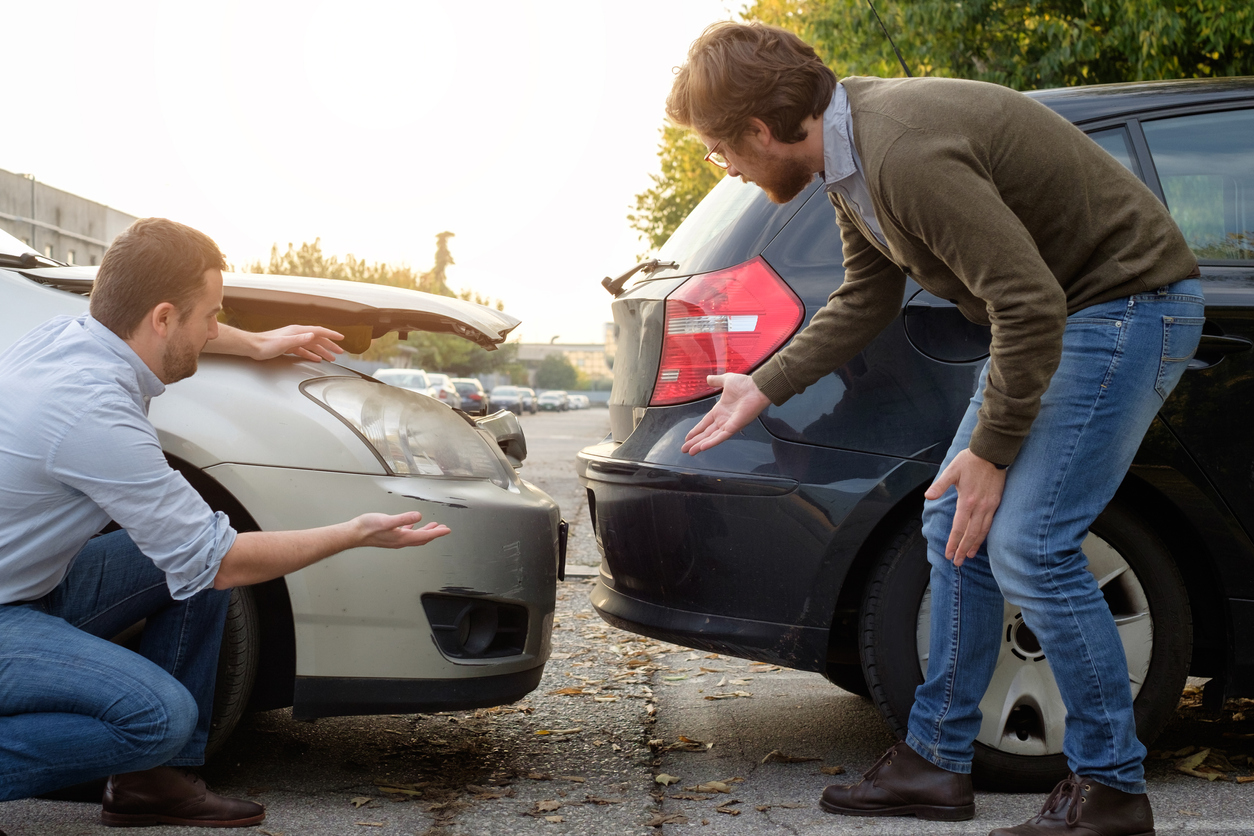
Brake-checking incidents cause serious car accidents throughout St. Louis, Missouri, putting innocent drivers at risk every day. When aggressive drivers deliberately slam on their brakes to intimidate or punish other motorists, the results can be devastating.
Car accident attorneys in the St. Louis area see brake-checking cases regularly. These incidents often lead to multi-vehicle crashes, serious injuries, and complicated insurance disputes that require experienced legal guidance.
This article will look at how brake-checking accidents happen, the types of injuries they cause, who may be held legally responsible, and the steps you can take to protect your rights if you’ve been involved in one.
What Is Brake-checking?
Brake-checking occurs when a driver suddenly and unnecessarily applies their brakes, typically to startle or retaliate against the vehicle behind them. This aggressive driving behavior creates an immediate hazard for following traffic.
The practice usually happens during road rage incidents. An angry driver may brake-check another motorist whom they believe is following too closely or driving aggressively. Instead of resolving the situation, brake-checking often escalates tensions and creates dangerous conditions.
Some drivers use brake-checking as a form of vigilante traffic enforcement. They believe other motorists are driving unsafely and take matters into their own hands. This misguided approach puts everyone on the road at risk.
Is Brake-Checking Illegal In Missouri?
Many drivers wonder, “Is brake-checking illegal?” The answer in Missouri is yes, though the specific charges depend on the circumstances and consequences of the incident.
Missouri law prohibits several behaviors that apply to brake-checking situations. Reckless driving statutes cover actions that show a willful disregard for safety. Aggressive driving laws address behaviors intended to harass or intimidate other drivers.
Law enforcement officers can cite drivers for various violations related to brake-checking:
- Reckless driving charges for dangerous behavior
- Aggressive driving violations for intimidating other motorists
- Failure to maintain a reasonable speed for the conditions
- Improper lane usage if the brake check involves swerving
- Assault charges if the action causes an accident with injuries
The penalties for these violations can include fines, license suspension, and even jail time in serious cases.
Common Scenarios Leading to Brake-checking
Understanding when brake-checking typically occurs helps drivers recognize and avoid these dangerous situations. Road rage incidents often trigger this aggressive behavior.
Tailgating situations frequently lead to brake-checking incidents. When one driver follows too closely, the lead driver may brake-check to send a message. This creates a dangerous cycle where both drivers engage in risky behavior.
Merge conflicts also spark brake-checking episodes. Drivers who feel cut off or disrespected during lane changes may retaliate by brake-checking the other vehicle. These situations escalate quickly and often result in crashes.
Highway driving presents particular risks for brake-checking incidents:
- Heavy traffic creates stress and frustration among drivers
- Higher speeds make sudden braking more dangerous
- Multiple lanes allow for aggressive maneuvering
- Long commutes increase the likelihood of road rage
- Construction zones force vehicles closer together
Parking lot disputes and surface street disagreements can also lead to brake-checking behavior, though these typically occur at lower speeds.
Injuries Commonly Caused By Brake-Checking Accidents
Break check incidents often result in rear-end collisions that cause serious injuries to occupants of both vehicles. The sudden nature of these crashes leaves little time for drivers to react safely.
Whiplash represents the most common injury in brake-checking accidents. When a vehicle suddenly stops, occupants’ heads snap forward and backward violently. This motion can damage soft tissues in the neck and cause lasting pain.
More severe injuries occur when brake-checking leads to multi-vehicle crashes:
- Traumatic brain injuries from impact with airbags or windows
- Spinal cord damage from the force of the collision
- Broken bones and fractures throughout the body
- Internal organ damage from seatbelt compression
- Lacerations from broken glass or metal debris
Secondary accidents often happen when the initial brake-checking incident causes vehicles to lose control. Cars may veer into oncoming traffic, roll over, or strike pedestrians or cyclists.
Determining Fault in Brake-Checking Accidents
Establishing liability in brake-checking cases requires careful investigation and evidence gathering. These incidents create complex legal questions about comparative fault and driver responsibility.
The brake-checking driver typically bears primary responsibility for resulting accidents. Their intentional actions created the dangerous situation that led to the crash. However, other factors may influence fault determination.
Following distance plays a crucial role in these cases. The National Traffic Safety Institute recommends maintaining at least three seconds of following distance. Drivers who follow too closely may share some blame for brake-checking accidents.
Evidence crucial to proving brake-checking includes:
- Dashboard camera footage showing the sudden braking
- Witness statements describing the aggressive behavior
- Police reports documenting the incident details
- Cell phone records showing distracted driving
- Vehicle damage patterns consistent with brake-checking
- Expert accident reconstruction analysis
Traffic citations issued at the scene provide important evidence of fault. Officers often cite brake-checking drivers for reckless or aggressive driving violations.
Missouri’s Comparative Fault System
Missouri follows a pure comparative fault system for personal injury cases. This means injured parties can recover damages even if they bear partial responsibility for the accident.
In brake-checking cases, courts may assign fault percentages to each driver involved. The brake-checking driver typically receives the majority of blame, but following drivers may share some responsibility.
For example, if a brake-checking driver is 80% at fault and the following driver is 20% responsible, the following driver can still recover 80% of their damages. This system ensures that victims aren’t completely barred from compensation due to minor contributing factors.
Steps to Take After a Brake-Checking Accident
Taking the right actions immediately after a brake-checking incident protects your legal rights and strengthens your potential case. Your safety should always be the first priority.
Call 911 to report the accident and request medical attention for any injuries. Police reports provide crucial documentation of the incident details and any citations issued.
Document the scene thoroughly if it’s safe to do so:
- Take photos of the vehicle damage and the accident scene
- Get contact information from witnesses
- Note the other driver’s behavior and statements
- Record traffic conditions and road layout
- Obtain insurance information from all parties
Seek medical evaluation even for seemingly minor injuries. Adrenaline can mask symptoms immediately after an accident, and some injuries don’t appear for hours or days.
Contact Eason Car Accident and Personal Injury Lawyers for a Free Consultation
Brake-checking remains a serious problem on Missouri roads, causing unnecessary accidents and injuries throughout the St. Louis area. These aggressive driving incidents create complex legal situations that require experienced guidance to navigate successfully.
Understanding your rights after a brake-checking accident helps protect your interests and ensure fair compensation. Quick action to preserve evidence and document injuries can make a significant difference in your case outcome.
If you’ve been in a break-checking accident, contact Eason Car Accident and Personal Injury Lawyers for a free, no-obligation consultation at (314) 932-1066
Eason Car Accident and Personal Injury Lawyers – Richmond Heights Office
1034 S Brentwood Blvd Penthouse 1-C
Richmond Heights, MO 63117
(314) 463-4173