

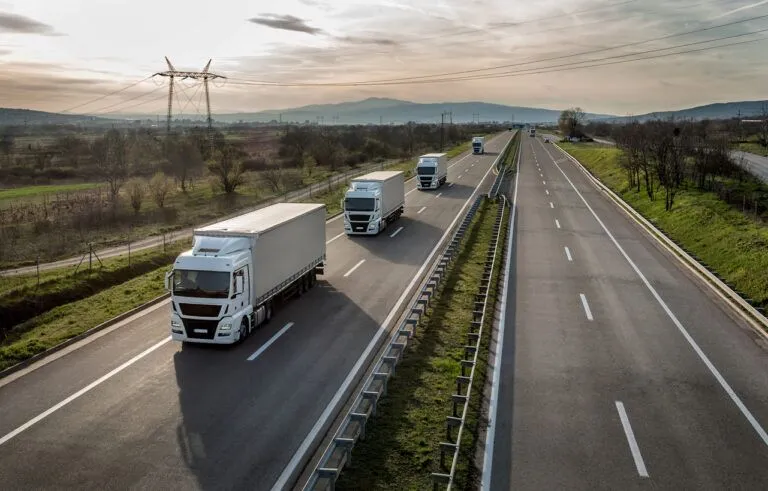
Autonomous trucks are becoming more common on U.S. highways, and Missouri is one of many states preparing for the shift. These vehicles use advanced sensors, software, and driver-assist systems to operate with less human involvement.
As technology develops, many people in St. Louis want to know how autonomous trucks could change liability in truck accident cases. While traditional rules still apply, new questions are emerging about who is responsible when a self-driving or semi-autonomous vehicle causes a crash.
Human Drivers Are Still Involved in Most Autonomous Systems
Most autonomous trucks on the road today are not fully self-driving. They use advanced systems like adaptive cruise control, lane-keeping technology, automatic braking, and collision-avoidance sensors. These features assist the driver, but they do not replace the driver.
Because of this, human error still plays a major role in many crashes. Common examples include:
- Distracted driving
- Speeding
- Fatigue
- Poor decisions in heavy traffic
- Late reactions to hazards
If the driver fails to use reasonable care, they can still be held responsible under Missouri negligence laws.
How Autonomous Technology Can Affect Liability
When autonomous technology contributes to a crash, several parties may share responsibility. Accidents involving driver-assist systems often require detailed investigation to figure out whether the driver, trucking company, manufacturer, or software provider was at fault.
Possible responsible parties include:
- The driver: If the driver ignored warnings, failed to keep their hands on the wheel, or misused the system, they may be liable.
- The trucking company: The company may be responsible if it failed to train the driver, ignored safety issues, or used outdated or faulty technology.
- The manufacturer: If a sensor, camera, or other hardware component failed, the manufacturer may be responsible under product liability rules.
- The software developer: If the crash resulted from a coding error, poor updates, mapping issues, or a logic flaw in the driving software, the software developer may share liability.
Autonomous trucks add complexity because multiple parties may contribute to the failure that caused the accident.
Product Liability May Play a Larger Role
Traditional truck accident cases focus on driver negligence and employer responsibility. Autonomous trucks may expand product liability claims.
Factors that may support a product liability claim include:
- Defective sensors
- Poorly designed collision-avoidance systems
- Software that misreads road conditions
- Incomplete testing
- Inaccurate object detection
- Sudden system shutdowns
If technology fails to function as expected, victims can pursue claims against the companies that designed or built the system.
Data From the Truck Becomes Important Evidence
Autonomous trucks generate extensive digital data. When a crash happens, this data can help investigators understand what went wrong. Examples include:
- Speed and braking information
- Driver input
- Alerts and warnings
- System engagement logs
- Sensor performance
- Camera footage
- GPS tracking
This information can help determine whether the driver or the autonomous system caused or contributed to the accident.
Comparative Fault Still Applies in Missouri
Missouri uses a pure comparative fault system. Under this rule, each party is responsible for their share of fault. Even if a driver or manufacturer is only partially at fault, they may still be required to pay compensation based on their percentage.
Autonomous Trucks Do Not Eliminate Human Responsibility
Despite advances in technology, human factors remain critical. Drivers must stay alert and take control when necessary. Trucking companies must maintain vehicles, update software, and supervise their drivers. Manufacturers must ensure their systems work safely in real-world conditions.
Even in crashes where technology played a role, negligence by humans or companies often shares responsibility.
Why These Cases Can Be More Complicated
Autonomous truck accidents may require:
- Reviewing software code
- Analyzing sensor data
- Evaluating system design
- Questioning multiple companies
- Hiring engineering experts
- Reconstructing the crash
The combination of human error and advanced technology makes these cases more complex than standard truck accidents.
A St. Louis Truck Accident Lawyer Can Help
Autonomous trucks are changing the way investigators, insurers, and courts analyze truck accidents. However, they have not replaced traditional liability rules. Human drivers, trucking companies, manufacturers, and software developers may all be responsible depending on how the crash happened.
As technology grows, Missouri courts will likely see more cases involving a mix of driver error and system defects.
For more information, please contact Eason Car Accident and Personal Injury Lawyers to schedule a free consultation with a truck accident lawyer in St. Louis, MO, today. We have two convenient locations in Missouri, including St. Louis and Richmond Heights.
We proudly serve St. Louis County and its surrounding areas.
Eason Car Accident and Personal Injury Lawyers – St. Louis Office
10 S Broadway #560
St. Louis, MO 63102
(314) 932-1066
Eason Car Accident and Personal Injury Lawyers – Richmond Heights Office
1034 S Brentwood Blvd Penthouse 1-C
Richmond Heights, MO 63117
(314) 463-4173